Home New

The human edge in an AI world.

Your early talent is capable.
They're just not ready to operate.

We build the human skills apprentices and graduates need to thrive in fast-paced, AI-driven organisations from day one.

The Problem Isn't Capability. It's Preparation.

Most graduates arrive technically qualified but operationally unready. They struggle with ambiguity, avoid difficult conversations, and wait to be told what to do. Managers end up carrying them — and the costs add up fast. Early talent programmes teach what to do. Almost none teach how to operate.

32%

of UK employers said apprenticeship recruits were job-ready on joining

DWP Employer Survey, 2024

54%

of employers say graduates failed to meet expectations in self-awareness, up from 35% in 2023

ISE Student Development Survey, 2025

85%

of leaders say building adaptability is critical in the AI era. Only 7% say they’re actually doing it

Deloitte Human Capital Trends, 2026

35%

rise in entry-level roles now requiring traditionally senior-level skills since 2019

PwC Global AI Jobs Barometer, 2026 

Built for early talent. Felt by the whole organisation.

Apprentices

Building professional foundations from day one, before habits form and before the wrong patterns set in.

Graduates

Bridging the gap between academic achievement and workplace reality. Building the operating skills that lectures don’t cover.

Early-career employees

0–3 years in role. Cementing the professional habits that determine long-term performance and progression.

Typically delivered to cohorts of 10–100, embedded within existing onboarding or development cycles. 

The skills that survive what's coming.

Not a list of nice-to-haves. These are the gaps your managers are living with right now.

01

Ownership & Initiative

Navigating ambiguity · Taking ownership · Proactive problem-solving · Self-directed learning

“I can trust them to get started before everything is perfectly clear.”

02

Communication & Influence

Stakeholder management · Managing upwards · Giving and receiving feedback · Presenting with confidence

“They communicate clearly and make collaboration easier.”

03

Professional Judgment

Professionalism · Accountability · Prioritisation · Building trust

“They behave like professionals, not students.”

04

Adaptability & Resilience

Learning agility · Resilience · Managing change · Performing under pressure

“They stay effective when things don’t go to plan.”

Every programme can be tailored to the needs of your cohort. These are examples of the human skills we help early-career professionals develop.

Built around the metrics that matter.


Designed to improve the outcomes that apprenticeship and graduate teams are ultimately measured on.

01

Reduced programme attrition

Career starters who feel capable, supported and confident are more likely to stay and complete their programme.

02

Faster time to contribution

Apprentices and graduates become productive sooner, reducing the time it takes to add value.

03

Less manager intervention

Managers spend less time chasing, directing and correcting, and more time developing talent.

04

Stronger performance and professional behaviours

Greater ownership, communication, judgment and accountability in day-to-day work.

05

Higher programme satisfaction

A better experience for participants, managers and stakeholders across the programme.

Built by someone who's been there.

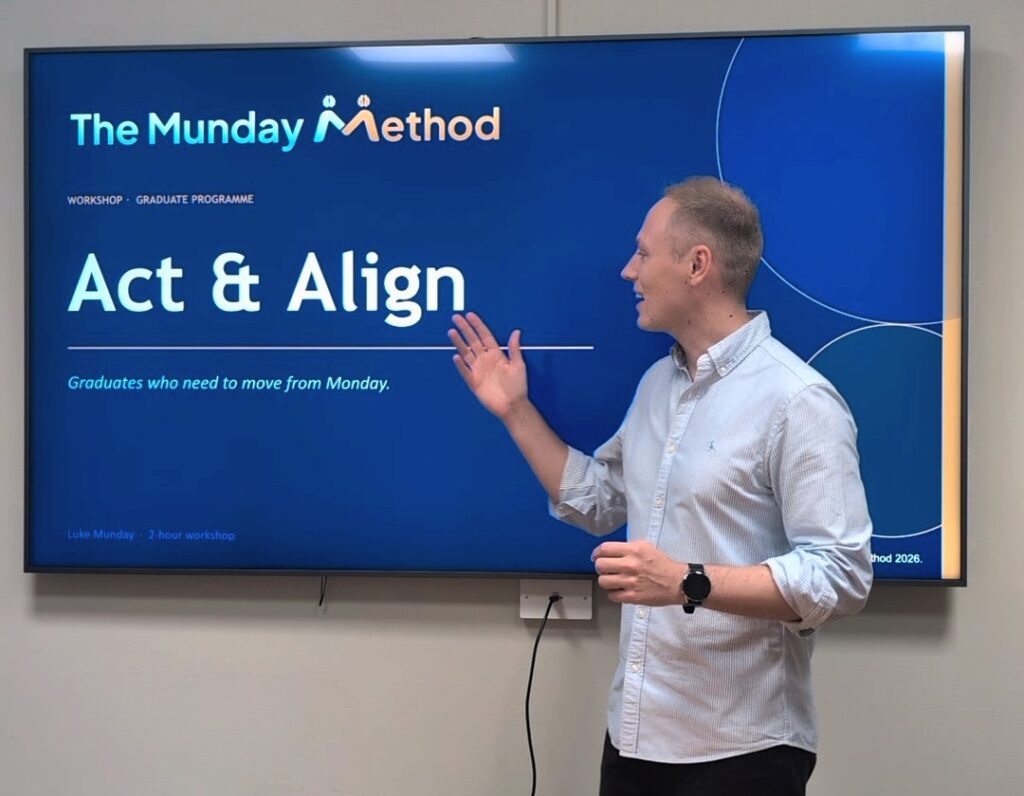
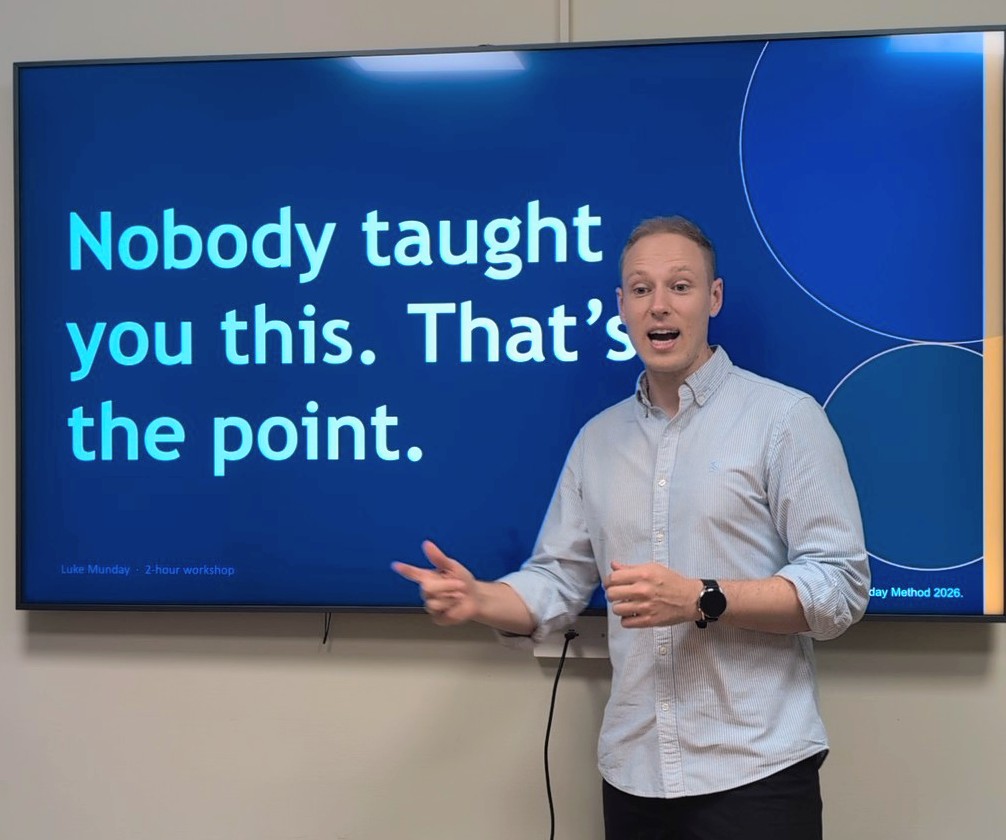
Luke Munday

Founder, The Munday Method

Luke started his career as a gap year intern at IBM before joining Accenture as a degree apprentice, going on to become UK Apprentice of the Year and the first apprentice in the firm’s history to receive three consecutive promotions.

He spent the next 5 years designing and leading early talent programmes for some of the world’s most ambitious organisations, including Google, Morgan Stanley and Publicis.

Over time, a pattern became clear: the people who progressed fastest weren’t the most technically capable. They were the ones who could communicate clearly, take ownership, navigate ambiguity and build trust.

As AI changes how work gets done, those human skills matter more than ever. Not less. The Munday Method exists to help more career starters develop them earlier, and help their organisations get the most from the people they hire.

IBM Accenture Multiverse Google Morgan Stanley Publicis

If your early talent is arriving underprepared, let's fix that.

Scroll to Top